Matzo Ball Texture Guide: Tender or Firm
Choose the texture before mixing
Choose the result first: tender and light or firm with more bite. Use a recipe designed for that style and take notes so later batches are intentional.
For a holiday meal, confirm ingredients and kitchen practice with the host. Some communities avoid matzo mixed with liquid during Passover, so do not present matzo balls as universal Seder fare. Ask a qualified rabbi about household practice and contact the certifying agency identified on matzo-meal packaging for certification questions. The Passover Seder hosting checklist helps coordinate the wider meal. Never state that a dish or product does not contain an allergen. Ask guests directly, retain and read every packaged-ingredient label, prevent cross-contact, disclose uncertainty, and let the affected guest decide. The FDA's food-allergy guidance explains U.S. labels; elsewhere, use the local regulator's guidance.
Respect the recipe's balance
Matzo meal, egg, fat, liquid, seasoning, and resting all affect the mixture. Changing several at once makes troubleshooting difficult. Measure as the recipe specifies, mix in the stated order, and stop at the described consistency. A formula designed for firm matzo balls will not reliably produce a fluffy result without tested changes to the formula or method.
After the required rest, the base should hold together. If it is loose or cracked, recheck the rest and measurements before making one small recipe-appropriate correction.
Mix without chasing perfect smoothness
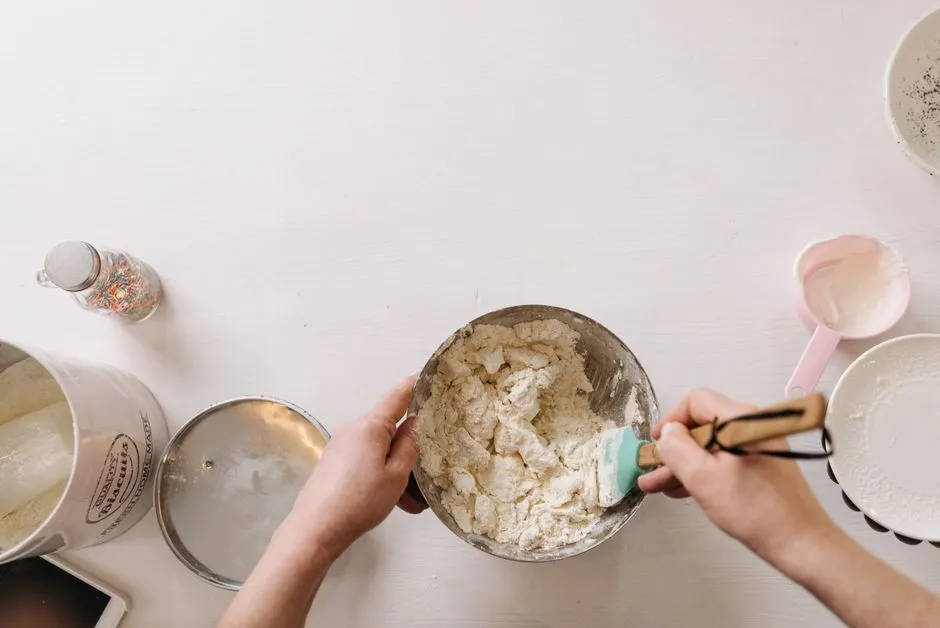
Combine the ingredients until evenly distributed. Excessive mixing can change the final texture and make it harder to compare the result with the recipe. Scrape the bowl so no dry pockets remain, then cover and rest or chill exactly as the method requires.
Raw egg mixtures require careful handling. Keep them separated from ready-to-eat foods, clean hands and surfaces properly, and follow FoodSafety.gov for U.S. readers or the local public-health authority's current guidance elsewhere for storage, cooking, holding, and leftovers.
Portion with a light hand
Use a consistent scoop or visual measure so the pieces cook evenly. Wet or otherwise prepare hands only as the recipe suggests. Roll gently enough to bring each portion together without compressing it into a marble. Firm shaping is not the same as hard squeezing.
Keep portions similar in size and place them carefully into the cooking liquid using a suitable utensil. Avoid splashing. Hot pots must remain on stable burners with handles positioned safely, and children should stay clear of the cooking area.
Cook under steady conditions
Use the pot size, liquid level, heat, cover, and timing specified by the recipe. Crowding can disrupt even cooking, so use multiple batches if necessary. Do not repeatedly uncover, stir aggressively, or puncture every piece; each intervention changes conditions and may damage the dumplings.
Check doneness according to the recipe and FoodSafety.gov for U.S. readers or the local public-health authority's current guidance elsewhere. Never serve a raw or undercooked egg mixture. If the centers are not properly cooked, continue safely as appropriate to the method or start a corrected batch.
Read the result, then adjust once
For unwanted density, review recipe style, proportions, handling, and cooking conditions. For breakage, review binding, rest, shaping, liquid movement, and crowding.
Record one change for the next batch. The same approach works for other comfort-food textures; the kugel texture guide separates formula, pan, and service effects. If guests have dietary or kosher-practice needs, use the kosher hosting questions rather than assuming one familiar recipe suits everyone.
Hold and serve with care
Plan when matzo balls will join the soup and how long they will be held. Follow the recipe and FoodSafety.gov for U.S. readers or the local public-health authority's current guidance elsewhere for hot holding, cooling, refrigeration, reheating, and leftovers. Use clean serving utensils and accurate ingredient information.
Record one formula or process change for next time. Keep holding, cooling, reheating, and serving under the cited food-safety authority's guidance.